Best Surfaces to Pressure Wash and Which Ones to Avoid
Pressure washing is one of the fastest ways to refresh a home or business, but it is not a one-size-fits-all job. The same machine that makes a concrete driveway look new can strip paint from a wood fence, force water behind siding, or etch soft stone. For property owners in Logan, where cold winters, freeze-thaw cycles, hard water, dust, and spring and summer pollen all take a toll on exterior surfaces, knowing what can safely be cleaned, and how, makes a real difference. This guide covers the best surfaces for pressure washing, the ones that need extra care, and the ones to avoid altogether.
Why Surface Type Matters
Pressure washers are rated in PSI (pounds per square inch) and GPM (gallons per minute). Cleaning power comes from a combination of both, along with nozzle choice, distance from the surface, and the cleaning solution used. A durable surface like concrete can handle high pressure, while softer or older materials may be damaged by even moderate force.
Logan's climate adds another layer. Repeated freezing and thawing can leave concrete, mortar, and wood with tiny cracks and weakened areas. Aggressive washing can make those weak points worse, allowing moisture to penetrate and cause bigger problems when temperatures drop again. Matching the method to the material protects your investment.
Best Surfaces to Pressure Wash
Concrete Driveways, Sidewalks, and Patios
Concrete is the ideal candidate for pressure washing. It is dense, durable, and prone to oil stains, tire marks, algae, mildew, and ground-in dirt. Most concrete can be cleaned with pressures between 3,000 and 4,000 PSI using a 15- to 25-degree nozzle or a surface cleaner attachment. A surface cleaner, which looks like a spinning disc on a wand, delivers even results and avoids the streaky "zebra stripes" that come from using a narrow wand alone.
For oil and grease stains, pretreat with a degreaser and allow it to dwell before rinsing. In Logan, winter de-icing products can leave residue and discoloration on concrete, so a spring cleaning is a good way to remove salt buildup and prepare for sealing.
Vinyl Siding
Vinyl siding responds well to pressure washing when done correctly. Use low pressure, generally 1,300 to 1,800 PSI, with a wide-angle nozzle (25 or 40 degrees). Always spray downward, never upward, because angling water under the overlapping panels can push moisture behind the siding and into the wall cavity. A soft-wash approach with a mild detergent is often the best choice for removing dust, mildew, and oxidation.
Brick (in Good Condition)
Sound, well-maintained brick can be pressure washed at moderate pressure. Keep the pressure around 1,500 to 2,500 PSI and hold the nozzle at a safe distance. The key https://pressurecleaninglogan.com.au/contact/ phrase is "in good condition." If the mortar joints are crumbling, or the brick face is flaking or spalling, high pressure will make the damage worse. Inspect the brick and mortar first, and consider a low-pressure wash with a masonry-safe cleaner if anything looks deteriorated.
Metal Fences, Railings, and Aluminum Siding
Wrought iron, steel, and aluminum are generally tough enough for pressure washing. Use a medium-pressure setting and a wider nozzle to avoid stripping paint or powder coating. Once cleaned, inspect for rust and chipped paint, then touch up or recoat as soon as the surface is dry to prevent corrosion.
Stone Pavers and Natural Stone (With Care)
Dense pavers and many hardscape stones, such as granite, clean up nicely with moderate pressure. These surfaces often develop algae, moss, and weeds in the joints. After washing, the joint sand often needs to be replaced and the pavers resealed to keep them looking good and resist stains. Softer stones like sandstone, limestone, and flagstone require much gentler techniques.
Surfaces That Require Extra Caution
Wood Decks and Fences
Wood can be pressure washed, but it is easy to damage. Too much pressure raises the grain, leaves gouges or fuzzy "fur," and can leave visible wand marks. Use low pressure, generally 500 to 1,200 PSI depending on the wood species and age, with a 40-degree nozzle, and keep the tip at least 10 to 12 inches from the surface. Work with the grain, and consider a wood-safe cleaner or brightener to remove graying. Softwoods such as cedar and pine are especially vulnerable. Allow the wood to dry fully, which may take a couple of days, before staining or sealing.

Painted Surfaces
Fresh, well-adhered paint can usually handle a gentle wash, but older paint that is peeling, chalking, or cracking will come off in sheets under pressure. This can be useful if you intend to repaint, but it is a problem if you do not. Also keep in mind that homes built before 1978 may contain lead-based paint. Disturbing it can create hazardous debris, so test before washing or stripping and follow proper containment and disposal practices.
Asphalt Driveways
Asphalt is softer than concrete and sensitive to heat, chemicals, and concentrated pressure. A narrow, high-pressure stream can gouge the surface and loosen the binder, especially on older, dry, or cracked asphalt. If you wash asphalt, use lower pressure, a wide fan nozzle, and keep the wand moving. Avoid harsh solvents, and be cautious around sealed surfaces. Many asphalt driveways benefit more from a gentle wash and fresh sealcoat than from aggressive cleaning.
Roofs
Pressure washing a roof is rarely a good idea. Asphalt shingles lose protective granules under high pressure, shortening roof life and often voiding warranties. Water can also get under shingles and into the attic or roof deck. Moss, algae, and lichen are better handled with a low-pressure soft wash using an appropriate roof-safe cleaning solution. Tile and metal roofs also call for professional methods, and working at height is a serious safety risk.
Surfaces to Avoid Pressure Washing
Some materials are simply too fragile or too vulnerable to moisture intrusion for standard pressure washing. For these, either skip the pressure washer entirely or use a professional soft-wash system that relies on cleaning solutions rather than force.
- Stucco: Porous and easily damaged, stucco can crack, erode, or absorb water that leads to hidden moisture problems and mold.
- Old or soft mortar and crumbling brick: High pressure can blast out joints and accelerate deterioration.
- Windows with failing seals or old glazing: Water can penetrate into the home or break seals, causing fogging between panes. Screens can also be shredded.
- Light fixtures, electrical panels, and outdoor outlets: Water intrusion creates shock and fire hazards.
- Soft stone such as sandstone and limestone: These can erode or etch, leaving permanent marks.
- Shake, cedar shingles, and weathered wood siding: The wood fibers are easily damaged, and water can seep behind the boards.
- Asphalt shingle roofs: Pressure strips granules and causes leaks.
- Composite or laminate surfaces that are worn or damaged: Pressure can lift edges, chip surfaces, and force moisture into seams.
- Loose or peeling lead-based paint: Washing can spread hazardous particles.
Pressure Washing vs. Soft Washing
Soft washing uses low pressure, often similar to a garden hose, combined with professional-grade detergents and cleaners that break down algae, mold, mildew, and bacteria at the source. It is the preferred approach for siding, roofs, stucco, painted surfaces, and delicate materials. Because the cleaning is done chemically rather than through force, results tend to last longer, as the organic growth is killed rather than just blasted off. Pressure washing is better suited to hard, durable surfaces where mechanical force is needed to remove embedded dirt, oil, and grime.
Many professional exterior cleaning services in 2026 combine both methods on a single property, using higher pressure for flatwork and soft washing for the house itself.
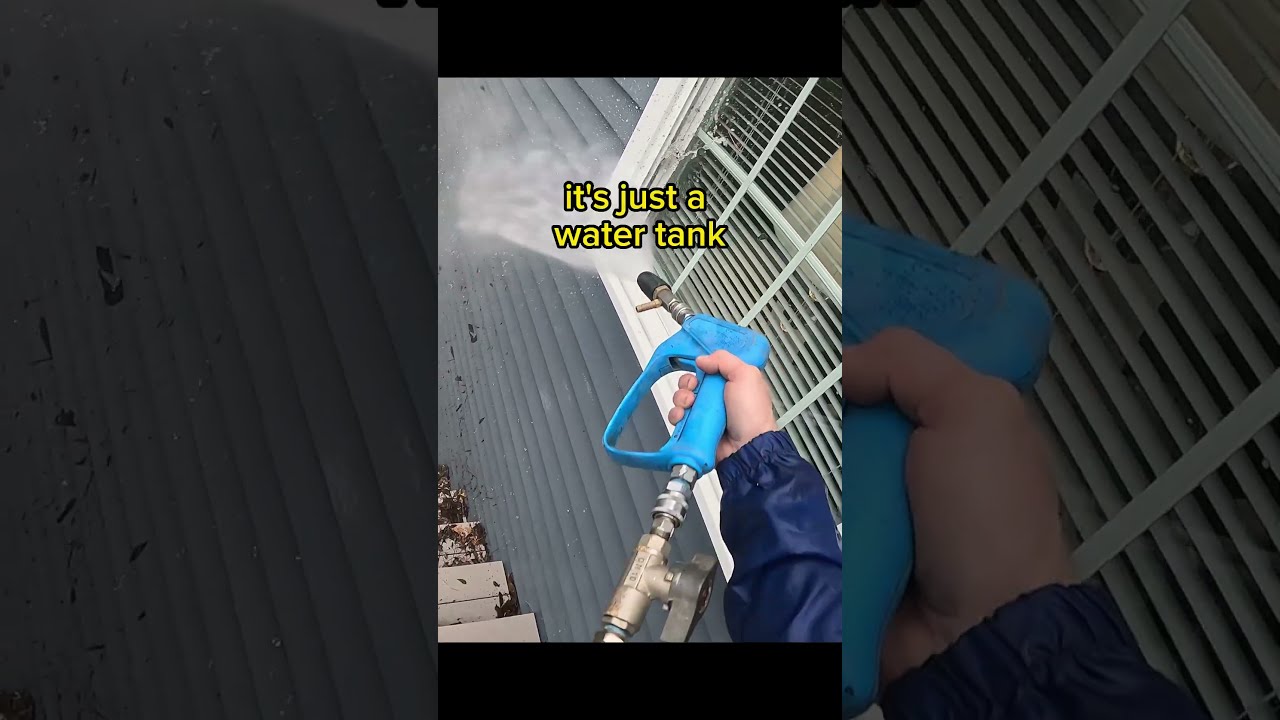
Tips for Safe, Effective Pressure Washing in Logan
- Test a small, hidden area first. Start with the lowest pressure and a wide nozzle, then increase gradually only if needed.
- Keep a consistent distance. Holding the nozzle too close is the most common cause of damage. Start farther away and move closer slowly.
- Choose the right nozzle. Wider angles (25 to 40 degrees) are gentler. Avoid the 0-degree red nozzle on nearly everything.
- Protect plants and landscaping. Wet down vegetation before applying cleaners and rinse thoroughly afterward. Cover delicate plants if needed.
- Mind the weather. Avoid washing when temperatures are near or below freezing, since water can freeze on walkways and in cracks. Mild days in spring, summer, and early fall are best.
- Watch your runoff. Do not let detergents, oil, or heavy debris flow into storm drains. Local stormwater rules are designed to protect nearby waterways, so use biodegradable cleaners and direct wastewater to landscaped or appropriate areas when possible.
- Use proper safety gear. Wear closed-toe shoes, eye protection, and gloves. A pressure washer stream can cause serious injury, so never point it at people or pets.
- Be careful with ladders. Using a pressure washer from a ladder is dangerous because of the recoil. Use extension wands or hire a professional for second-story work.
When to Hire a Professional
DIY pressure washing can be effective for simple jobs like a small patio or a section of sidewalk, but the risks increase with the complexity of the surface. Consider hiring a professional if you are dealing with multi-story siding, roofs, stucco, delicate wood, stained or sealed hardscapes, or an older home with painted surfaces. Professionals bring commercial-grade equipment, a range of cleaning solutions, insurance coverage, and the experience to match the technique to each material. This helps avoid costly repairs that can far exceed the price of the cleaning itself.
Final Thoughts
The best candidates for pressure washing are hard, durable surfaces such as concrete, sound brick, metal, vinyl siding, and dense pavers. Wood, painted surfaces, and asphalt can be cleaned with caution, and fragile materials like stucco, soft stone, and shingle roofs are better left to soft washing or avoided altogether. By choosing the right pressure, nozzle, and cleaning solution for each material, Logan homeowners and business owners can restore curb appeal, extend the life of their exterior surfaces, and avoid damage along the way. If you are unsure about a particular surface, a quick consultation with a local exterior cleaning professional can save time, money, and headaches.
Logan Pressure Cleaning
(07) 3106 8724